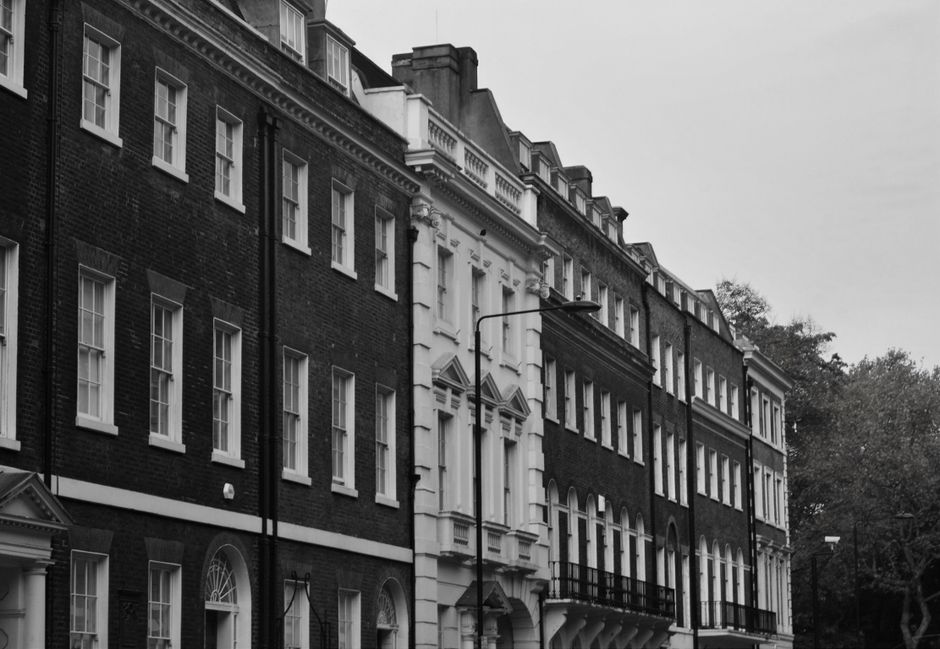
Chelsea Kings Road deep cleaning guide for period homes
Period homes around Kings Road have a special charm: tall skirting boards, old timber, original tiles, sash windows, ornate plasterwork, and the kind of little quirks that make a place feel lived in rather than staged. But they also need a more careful approach to cleaning than a newer flat. This Chelsea Kings Road deep cleaning guide for period homes is for anyone who wants a proper deep clean without damaging delicate surfaces, lifting paint, flooding old wood, or making a small problem worse. Truth be told, that is where many otherwise sensible cleaning plans go off the rails.
In this guide, you'll find a practical step-by-step approach, the main risks to watch for, the best tools and methods, and a few real-world judgement calls that matter in older properties. Whether you're preparing for guests, tackling seasonal upkeep, or planning a full reset after renovation dust, the aim is simple: clean thoroughly, but gently.
Expert summary: Period homes respond best to a slow, top-to-bottom deep clean using low-moisture methods, gentle products, and a clear order of work. If a surface is historic, painted, porous, or previously repaired, treat it as fragile until proven otherwise.
Table of Contents
- Why Chelsea Kings Road deep cleaning guide for period homes Matters
- How Chelsea Kings Road deep cleaning guide for period homes Works
- Key Benefits and Practical Advantages
- Who This Is For and When It Makes Sense
- Step-by-Step Guidance
- Expert Tips for Better Results
- Common Mistakes to Avoid
- Tools, Resources and Recommendations
- Law, Compliance, Standards, or Best Practice
- Options, Methods, or Comparison Table
- Case Study or Real-World Example
- Practical Checklist
- Conclusion
- Frequently Asked Questions
Why Chelsea Kings Road deep cleaning guide for period homes Matters
Period homes in Chelsea often combine beauty with vulnerability. A Victorian hallway, a Georgian fireplace surround, or a mid-century original floor can be sturdy in one sense and surprisingly sensitive in another. The wrong cleaner, the wrong pad, or too much moisture can dull finishes, strip wax, stain stone, or leave timber boards swollen and unhappy. You do not want that kind of surprise on a Sunday morning.
Deep cleaning matters here because everyday dust behaves differently in older homes. Gaps in floorboards collect grit. Decorative mouldings catch cobwebs. Radiators gather a film that seems to reappear as soon as you blink. And in a street like Kings Road, where many homes have had multiple layers of renovation over time, you may be dealing with mixed materials in a single room. Painted wood, old tile, modern sealant, original glass, and soft furnishings can all sit side by side.
There's also the practical side. A period home that is cleaned properly tends to feel calmer, brighter, and easier to maintain. You notice the difference straight away: less dust in the morning light, cleaner edges around doors and windows, and that slightly fresh, dry scent that old houses can only really show after a proper reset. Not glamorous, perhaps, but deeply satisfying.
If you are comparing service options, it helps to understand how deep cleaning differs from routine upkeep. A broader deep cleaning service usually focuses on the hidden and stubborn areas that everyday cleaning misses, while a regular domestic clean keeps the home on track week by week. For period properties, that distinction matters a lot.
How Chelsea Kings Road deep cleaning guide for period homes Works
The basic method is simple: identify the surfaces, choose the safest process for each one, then clean from the highest points down to the floor. In older homes, the sequence matters more than speed. A rushed approach often throws dust into already-cleaned areas or causes moisture to linger where it shouldn't.
Start by thinking in zones. Hallways, reception rooms, kitchens, bathrooms, bedrooms, and staircases all need slightly different treatment. For example, a period kitchen may have tiled splashbacks, worn grout, timber cabinets, and delicate metal fittings. A bedroom may have antique furniture, heavy curtains, and old fireplaces that gather soot-like dust. One method won't fit all. It rarely does.
Most deep cleans in period properties involve a combination of:
- dry dust removal before any wet work
- gentle surface cleaning with pH-appropriate products
- targeted work on corners, frames, vents, and ledges
- careful attention to high-touch points such as handles and switches
- controlled moisture use on floors, woodwork, and joinery
Where carpets, rugs, or upholstered pieces are part of the home, it can make sense to include specialist treatment rather than trying to do everything with one bucket and a bit of optimism. That's how sofas end up looking patchy. Nobody wants that. If your home includes fitted carpets, a dedicated carpet cleaning approach may help preserve fibres and improve the overall finish of the clean.
For the exterior-facing parts of a Chelsea property, especially windows and visible frontage, the same caution applies. Older glazing and timber frames need a softer touch than newer materials. A service such as window cleaning can be useful if you want the property to look as good from the street as it does inside, although the method still needs to suit the age and condition of the frames.
Key Benefits and Practical Advantages
A careful deep clean does more than make a home look tidy. In a period property, it protects materials, improves comfort, and makes future maintenance easier. That's the real win.
- Protects original features: Gentle cleaning helps preserve timber, stone, tile, brass, and painted detailing.
- Reduces hidden dust build-up: Older houses often hold dust in places people don't inspect regularly.
- Improves indoor comfort: Less dust and grime can make rooms feel fresher and less stuffy.
- Supports longer-term upkeep: Once built-up residue is removed, regular cleaning becomes much easier.
- Helps after renovation or redecoration: Fine dust from light work settles into every ledge and joint, especially in older layouts.
- Shows the home at its best: A deep clean can make original features stand out again instead of disappearing under a film of everyday dirt.
There is also a visual benefit that people underestimate. In a period property, clean edges, polished handles, and clear glass can change the whole mood of the space. Rooms feel taller. Details pop. The house starts telling its story again, instead of looking slightly tired at the corners.
If you are also dealing with upholstery that has picked up dust or odours over time, it can be sensible to consider upholstery cleaning. In homes with a lot of fabric, this often makes the difference between a room that looks cleaned and a room that actually feels clean.
Who This Is For and When It Makes Sense
This guide is especially useful if you live in, manage, or regularly visit a period home near Kings Road and want a deeper, safer clean than standard routine housekeeping. It's for homeowners, landlords, tenants, interior lovers, and anyone who has ever opened a sash window and found a surprising amount of dust in the tracks. Which, to be fair, is most of us at some point.
It makes particular sense when:
- you have just moved into an older property
- you are preparing a home for sale or letting
- you want a seasonal reset after winter or building work
- the property has ornate woodwork, original floors, or fragile finishes
- you've noticed dust gathering in corners, vents, and around skirting boards
- you want to freshen a home before guests, family visits, or an event
A deep clean can also be useful after a long stretch of daily living where the house has simply accumulated layers. Kitchens feel greasy. Bathrooms lose sparkle. Hallways pick up shoe marks. It happens quietly. Then one day you notice it all at once, usually when sunlight comes through the window at 4 pm and exposes everything. Annoying, yes. Useful too, because at least you can see what needs doing.
If you are planning a one-off reset rather than a maintenance clean, a service such as one-off cleaning may be the right fit. It suits homes that need a thorough visit without committing to an ongoing schedule.
Step-by-Step Guidance
Here is the most practical way to approach a period home deep clean. The order matters more than perfection. You can always return to a surface, but you cannot easily clean efficiently if you start in the wrong place.
1. Walk through the property and identify fragile materials
Before cleaning anything, look closely at what you are dealing with. Note where you have untreated timber, historic tiles, delicate paintwork, natural stone, aged sealant, or decorative plaster. A quick visual survey saves trouble later.
Ask yourself: does this surface tolerate water, or only a damp cloth? Is there loose paint? Are any fixtures wobbly? Are there previous repairs that might react badly to chemicals? These aren't dramatic questions. They're the sensible ones.
2. Dry dust first
Use soft dusting methods on shelves, ledges, cornices, skirting boards, curtain poles, picture rails, and other detail-heavy areas. Start high and move down. The aim is to remove loose dust before moisture turns it into a smear.
In older homes, this step can be a bit of a workout. There is usually more dust than expected, and it comes from odd places. Behind radiators. On top of door frames. Beneath stair spindles. Fine work, but worth it.
3. Treat fabrics and soft furnishings separately
Curtains, cushions, rugs, and upholstered chairs trap dust more than people think. If they are delicate, test a small area first or use specialist help. Heavy vacuuming with the wrong attachment can pull fibres or mark fabric.
For smaller decorative rugs or treasured pieces, rug cleaning is often safer than a generic wash. The same logic applies to larger items such as chairs or sofas, where fibre type and age should guide the method.
4. Clean kitchens and bathrooms with restraint
These rooms usually need the most attention, but also the most caution. Old grout, brass fittings, marble, enamel, and painted cupboards can all be damaged by harsh chemicals. Use the mildest product that still does the job.
Work from the cleaner surfaces to the dirtier ones. Wipe cabinet fronts, then handles, then splashback areas, then sinks and taps. In bathrooms, remove limescale carefully rather than attacking everything with one strong solution. A little patience goes a long way.
5. Deal with floors according to material
Floors in period homes vary wildly. You may have original boards, encaustic tiles, stone, parquet, or later additions. Each needs a different approach. Minimal water is usually the safest rule for timber. Stone and tile may tolerate more, but only if they are in good condition and sealed correctly.
If the floor needs more than a light refresh, a specialist hard floor cleaning service can be a sensible option. It helps avoid over-wetting and can support a more even finish across the room.
6. Finish with detailing
This is where the home starts to feel properly done. Wipe switch plates, door handles, bannisters, thresholds, and the edges where dust loves to hide. Clean mirrors and glass last. Check for streaks in daylight, not just under artificial light. Morning light is brutally honest, but useful.
Expert Tips for Better Results
There are a few habits that separate a decent clean from one that really respects a period home.
- Test first, clean second: On older paint or stone, always try a product in a discreet area.
- Use less moisture than you think: Old timber and historic finishes rarely benefit from soaking.
- Use soft tools: Microfibre cloths, soft brushes, and non-abrasive pads are usually the safest choice.
- Ventilate as you go: Opening windows helps surfaces dry and keeps rooms from feeling damp.
- Work methodically: One room at a time is more effective than hopping between rooms.
- Protect the details: Masking off or simply avoiding fragile trim is better than trying to scrub around it later.
One small but important point: if you're unsure whether something is original, repaired, or already weakened, treat it as sensitive. That sounds cautious because it is. Still, caution is cheaper than repair. Usually much cheaper.
When a property has been occupied for years, it can also help to pair the deep clean with upholstery or carpet work so the entire home lifts together. A combined approach feels more complete and tends to make the property smell cleaner too, which everyone notices even if nobody says it out loud.
Common Mistakes to Avoid
Most problems in period-home cleaning come from good intentions paired with the wrong technique. Here are the big ones.
- Using too much water on timber: This is one of the fastest ways to cause warping or swelling.
- Scrubbing original finishes aggressively: What looks like dirt may actually be patina or a delicate surface layer.
- Mixing products: Even outside specialist settings, this is a poor idea and can create fumes or damage finishes.
- Ignoring top surfaces: Dust builds up on cornices, curtain poles, and picture rails, then falls back down later.
- Cleaning floors before dusting higher areas: You end up doing the job twice. Nobody has time for that.
- Using the wrong attachment on fabric: Too much suction or a rough brush can leave marks.
A more subtle mistake is cleaning only what is visible. Period homes often hide grime in recesses, behind radiators, on the backs of doors, and in window tracks. Those are the places that quietly undermine the final result. A deep clean should make the house feel good in places you don't normally see.
Tools, Resources and Recommendations
You do not need a warehouse of equipment, but the right tools make a noticeable difference. For period properties, think gentle rather than aggressive.
| Tool or product | Best for | Why it helps in period homes |
|---|---|---|
| Microfibre cloths | Dusting and wiping | Lift dust well without scratching most finishes |
| Soft detailing brush | Carvings, vents, corners | Reaches mouldings and trim without forcing dirt into gaps |
| Vacuum with soft attachments | Floors, upholstery, edges | Reduces grit before wet cleaning and lowers abrasion |
| Gentle neutral cleaner | Painted wood, general surfaces | Less likely to damage aged finishes than heavy-duty products |
| Low-moisture mop | Sealed hard floors | Controls water application, which matters on old timber and tile |
If you need a broader domestic reset, a professional domestic cleaning service can support regular upkeep between deeper visits. For kitchen-heavy properties, especially those with stubborn built-up grime, oven cleaning can also be a smart add-on because cooking residue has a way of spreading beyond the appliance itself.
For homes that need a more structured visit, it is worth looking at a reputable cleaning company that understands sensitive interiors. You want people who notice the difference between a sturdy worktop and a fragile antique frame. That kind of judgement matters, honestly.
Law, Compliance, Standards, or Best Practice
Cleaning a private home is not the same as operating a laboratory, but safety and care still matter. In the UK, good practice usually means using products according to the label, keeping rooms ventilated, protecting surfaces from avoidable damage, and making sure anyone working in the property understands the materials they are handling. That sounds basic because, well, it is basic. Basic is good.
For occupied homes, best practice also includes careful attention to slip risks, electrical items, and fragile fixtures. If water is involved, floors should be allowed to dry properly before normal use. If a property has older wiring, heaters, or vulnerable decorative features, it is sensible to work around them rather than through them.
Where contractors are involved, customers often look for clarity around insurance and safety, and that is fair enough. A professional outfit should be able to explain how it reduces the risk of damage and what happens if something is unexpectedly delicate. You should also be able to understand the terms of service before work begins; transparent terms and conditions are part of that trust.
If sustainability matters to you, it is worth asking how waste water, packaging, and consumables are handled. Some customers in Chelsea care a great deal about that, and rightly so. A responsible approach to recycling and sustainability can be part of a better service overall.
For more background about the organisation behind the service, pages like about us and health and safety policy help explain standards and working practices. And if you need practical next steps, contact us and pricing and quotes are the most sensible places to start.
Options, Methods, or Comparison Table
Not every period home needs the same level of intervention. Sometimes a light-but-thorough clean is enough. Other times, you need a more specialist approach. Here is a simple comparison to help you decide.
| Method | Best suited to | Pros | Watch-outs |
|---|---|---|---|
| DIY deep clean | Well-maintained homes with familiar surfaces | Flexible, budget-friendly, done on your own schedule | Higher risk of using the wrong product or too much water |
| Professional deep cleaning | Homes with mixed materials, heavy build-up, or limited time | More thorough, more efficient, usually safer for delicate finishes | Needs a good brief about fragile features and priorities |
| Targeted specialist add-ons | Homes with carpets, upholstery, ovens, or floors needing extra care | Better results in the exact areas that need it most | Can become fragmented if not planned as one joined-up visit |
In practical terms, many Kings Road period homes benefit from a hybrid approach: a general deep clean supported by specialist work on carpets, fabrics, hard floors, or kitchen appliances. That tends to deliver the most balanced result. Clean house, no drama.
Case Study or Real-World Example
Here's a realistic example. A period townhouse off Kings Road had been looked after reasonably well, but not deeply cleaned in a while. The owners had recently redecorated one room and noticed fine dust settling on shelves, window ledges, and the stair runner. The kitchen had old grease around handles and the hallway floor had picked up a dull film near the entrance.
The clean started with dry dusting upstairs, then moved room by room. Soft furnishings were vacuumed carefully. The kitchen was tackled in stages rather than all at once, so delicate cabinet paint and aged brass fittings were not overworked. The hallway floor needed a low-moisture method because the boards were old and slightly uneven. A separate window pass made a surprising difference, especially in the late afternoon when light hit the glass.
What changed most was not any single dramatic result. It was the overall feeling. Rooms looked better, yes. But they also felt quieter, fresher, and easier to live in. The house no longer seemed to be holding onto the previous season. That's often the real goal in a period property: not perfection, just a clean that lets the building breathe a bit.
For homes with high-traffic fabric furniture, pairing this kind of reset with sofa cleaning can help bring the whole room back into balance. It's one of those details people notice the moment they sit down.
Practical Checklist
Use this checklist before you begin. It keeps the process tidy and helps you avoid the usual hiccups.
- Identify fragile finishes, old paint, natural stone, and untreated wood
- Open windows or improve ventilation where possible
- Gather soft cloths, brushes, a vacuum with attachments, and gentle cleaners
- Dust high surfaces before low ones
- Vacuum edges, corners, vents, and behind furniture
- Treat upholstery, rugs, and carpets separately if needed
- Use minimal moisture on timber and delicate surfaces
- Clean kitchens and bathrooms in stages
- Wipe handles, switches, bannisters, and door frames
- Finish with floors and glass
- Check for missed spots in daylight
- Allow drying time before replacing rugs or heavy furniture
If the job feels larger than expected, that is usually a sign to break it into sections or bring in help. No shame in that. Old homes have a way of being quietly demanding.
Get a free quote today and see how much you can save.
Conclusion
A good Chelsea Kings Road deep cleaning guide for period homes is not about blasting through a property and hoping for the best. It is about noticing what the building needs, respecting the age of the materials, and cleaning in a way that protects character as well as cleanliness. That balance is the whole point.
If you keep the work gentle, organised, and material-aware, you'll get far better results than if you treat a period house like a modern new-build. Start with dust, use less water than feels instinctive, and choose specialist help when carpets, fabrics, floors, or fixtures need it. Simple idea. Quite a lot of payoff.
And when the rooms finally look bright again, the house will feel more like itself. That's the bit people remember.
Frequently Asked Questions
How often should a period home near Kings Road be deep cleaned?
It depends on how busy the home is, how many people live there, and how much dust the property collects. Many owners find that a deeper reset every few months, plus regular upkeep, works well. If the house has a lot of fabric, older timber, or high footfall, you may notice the need sooner.
Is deep cleaning safe for original wood floors?
Yes, if it is done carefully. The key is using minimal moisture and suitable products. Original boards can be damaged by over-wetting, harsh detergents, or aggressive scrubbing. If in doubt, test a small hidden area first and keep the process conservative.
What is the biggest risk when cleaning a period property?
The biggest risk is usually over-cleaning rather than under-cleaning. Too much water, too much pressure, or the wrong product can damage old finishes quickly. Delicate paint, stone, and wood all deserve a lighter touch.
Can I use the same cleaner on every surface?
It is better not to. Period homes often contain mixed materials, and each one reacts differently. A product that is fine for sealed tile may be too strong for painted joinery or antique wood. Matching the method to the material is safer and usually gives a better result.
Are professional cleaners better for period homes?
Often, yes, especially if the home has fragile finishes, lots of detail, or a mixture of old and new materials. Professional cleaners should know how to work gently and in the right order. Still, the quality of the brief matters. A good cleaner can only protect what they know about.
Should upholstery and rugs be cleaned as part of the deep clean?
Usually, yes, if they are visibly dusty, dull, or carrying odours. Soft furnishings hold a surprising amount of dust in period homes. Treating them separately often improves the overall result and helps the whole room feel fresher.
How do I know if a surface is too delicate to clean myself?
If the surface is flaking, uneven, historic, previously repaired, or you are unsure what it is made from, that is usually a warning sign to proceed carefully. When in doubt, use a very light method or seek advice before applying water or product.
Can deep cleaning help after renovation work?
Absolutely. Fine renovation dust gets into ledges, joints, vents, and soft furnishings, especially in older homes. A proper deep clean after building work can make the property feel habitable again much faster. If the work was substantial, a more intensive after builders cleaning approach may be more appropriate.
What should I ask before booking a cleaning service?
Ask how the team handles delicate materials, what products they use, whether they are insured, and how they approach fragile or historic features. It is also sensible to ask about scope, timing, and any extra services you may need, such as carpet or window work.
Is one-off cleaning enough for a period home?
Sometimes it is, especially if the property is already well maintained and just needs a reset. But if the home has heavy dust build-up, soft furnishings, or multiple tricky surfaces, a one-off visit may only be part of the solution. Ongoing upkeep still matters.
What if I'm not sure where to start?
Start with one room and one category: dusting, fabrics, floors, or kitchen surfaces. That keeps the task manageable. If the property feels overwhelming, beginning with the busiest areas usually gives the quickest sense of progress. And once one room is done, the rest tends to feel less intimidating.
Where can I find more information about the service provider?
You can review the company background on the about us page, check practical service information on pricing and quotes, and use contact us if you want to ask specific questions about your property.