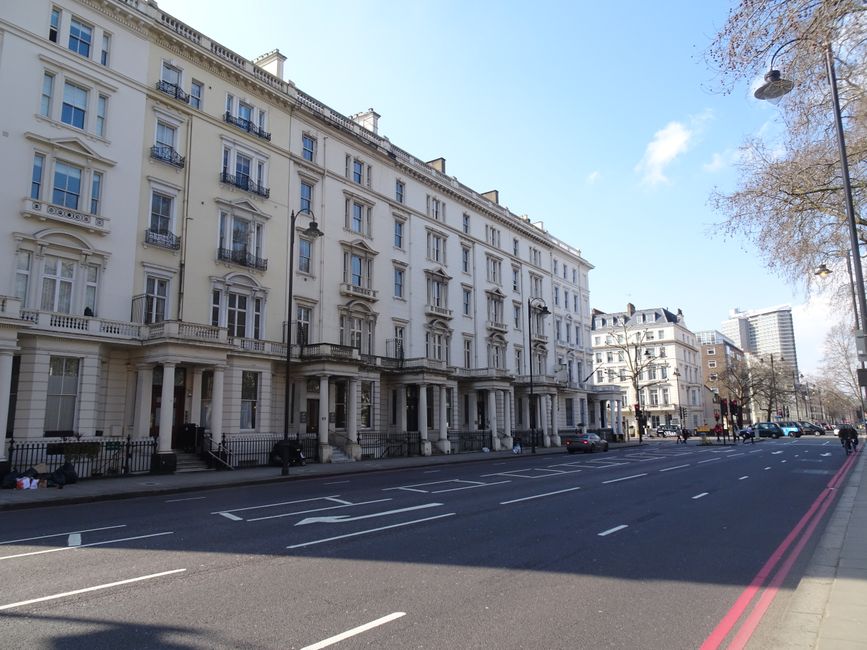
Fulham Road carpet cleaning best practices for Chelsea flats
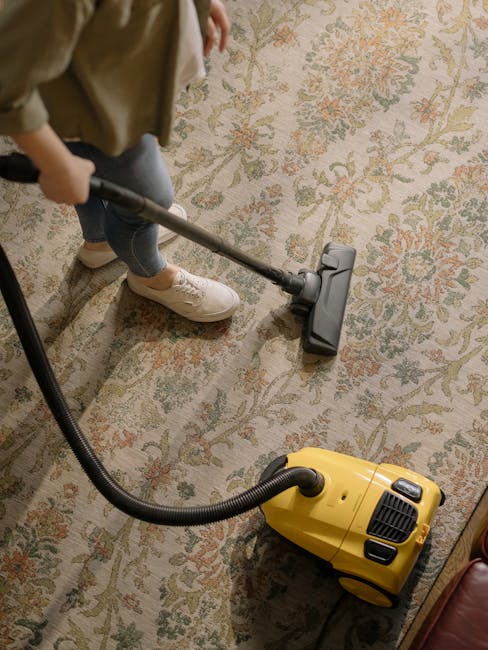
If you live in a Chelsea flat near Fulham Road, carpet cleaning is rarely as simple as "book a machine and hope for the best." Shared entrances, tighter rooms, delicate fibres, awkward furniture layouts, and the usual London traffic in and out of the building all change what good cleaning looks like. The right approach protects your carpets, keeps drying times sensible, and helps you avoid the sort of mistakes that leave a room smelling damp for days. In this guide to Fulham Road carpet cleaning best practices for Chelsea flats, you'll find practical methods, common pitfalls, and a clear step-by-step approach that actually works in real homes.
Whether you are preparing for guests, freshening up a rental, or trying to bring life back to a tired sitting room rug, the goal is the same: clean properly, dry safely, and avoid unnecessary wear. Sounds straightforward. In reality, not always. Let's get into the details.
Why Fulham Road carpet cleaning best practices for Chelsea flats Matters
Chelsea flats tend to have their own personality: period proportions in some buildings, compact modern layouts in others, and often a fair bit of foot traffic from hallways straight into living areas. A carpet that looks fine from the doorway may actually be carrying dust, grit, food residue, pet odours, and moisture from shoes or umbrellas. If you clean it badly, the room can feel worse afterwards, not better. That's the annoying part.
Good practice matters because flats are less forgiving than houses. You usually have less ventilation, fewer places to move furniture, and more concern about noise, access, and water use. If you over-wet the carpet, drying can drag on. If you scrub too hard, pile distortion shows up quickly. If you use the wrong product, you can stain the underlay, the skirting, or the carpet itself.
There's also the matter of presentation. In Chelsea, carpets are often part of the impression a home gives. Clean, well-kept flooring makes a flat feel brighter and more expensive, even if the sofa is a bit lived-in. A fresh carpet lifts everything. A grubby one does the opposite. Truth be told, people notice carpets more than they think.
If you want a broader understanding of service quality and what a professional approach usually includes, the main carpet cleaning service page is a useful place to start, while the deep cleaning page helps explain how carpet care fits into a fuller home clean.
How Fulham Road carpet cleaning best practices for Chelsea flats Works
At its best, carpet cleaning is a sequence, not a single action. You identify the fibre type, test the carpet in a hidden spot, remove dry soil first, treat stains carefully, then clean with the least amount of moisture needed to do the job. That basic idea sounds simple, but it's where a lot of poor results begin: people jump straight to wet cleaning before the carpet has been properly prepared.
For Chelsea flats, the process often needs a bit more judgement. Wool blends, synthetic fibres, older woven carpets, and fitted carpets over sensitive underlay all behave differently. A professional-grade approach usually begins with inspection: looking at traffic lanes, edges, stains, previous spot treatments, and any signs of fading or shrinkage risk. Then comes vacuuming, pre-treatment, agitation if needed, extraction or bonnet-style cleaning depending on the carpet, and careful drying.
Drying matters a lot in flats because stale air and closed windows can make moisture linger. You may need to open windows strategically, use fans, and avoid walking on the area until it is properly dry. A fresh-cleaned carpet that stays damp is no victory. It just becomes a different problem.
If your flat has mixed flooring, it can help to plan carpet cleaning alongside other finishes. For example, a property with hard hallway floors may benefit from broader maintenance through hard floor cleaning, while upholstery and sofas can be treated at the same time through upholstery cleaning to keep the whole room consistent.
Key Benefits and Practical Advantages
When carpet cleaning is done properly, the results are not only cosmetic. You usually get a cleaner-looking room, yes, but also a fresher smell, reduced trapped dust, and a more comfortable surface underfoot. That's especially noticeable in smaller Chelsea flats, where a single room can influence the whole feel of the home.
- Better appearance: traffic marks and dull patches usually soften or disappear.
- Improved freshness: lingering odours from pets, cooking, or day-to-day living are reduced.
- Longer carpet life: grit and embedded soil are removed before they grind the fibres down.
- Healthier indoor feel: regular cleaning reduces the build-up of dust and debris.
- Better rental presentation: useful for move-out inspections, viewings, and new tenancy starts.
- Cleaner overall room balance: when carpets are fresh, the rest of the room looks tidier too.
For landlords, tenants, and busy homeowners, this is often the sweet spot: enough improvement to make a visible difference without overdoing the process. There's a point where "more cleaning" becomes "more risk." A good best-practice approach respects that line.
Who This Is For and When It Makes Sense
This topic is relevant if you live in a Chelsea flat on or near Fulham Road and any of the following sounds familiar:
- Your carpet has high-traffic marks along hallways or around sofas.
- You're moving out and want the flat to look tidy for check-out.
- You've had a spill, but it has spread or dried in awkwardly.
- Your home feels stuffy even after regular vacuuming.
- The carpet looks flat, especially in daylight.
- You've got pets, children, or frequent visitors.
- There has been renovation dust, plaster residue, or post-build mess.
It also makes sense if you prefer planned maintenance rather than waiting until the carpet looks obviously tired. In a flat, waiting too long can mean smells and marks become more embedded, and then the cleaning needs to be more intensive. That is usually harder on the carpet and harder on your schedule.
If the issue is part of a bigger refresh, you may find it useful to combine carpet work with one-off cleaning or broader domestic cleaning. For end-of-tenancy situations, the end of tenancy cleaning page is also relevant because carpets are often one of the last things checked.
Step-by-Step Guidance
Here is a practical, flat-friendly method you can use as a guide before you clean, or as a way to understand what a competent cleaner should be doing.
- Identify the carpet type. Wool, wool-blend, synthetic, and loop pile carpets all react differently to water and products. If you are unsure, assume the carpet is more delicate than it looks. That's usually the safer stance.
- Clear the room sensibly. Move smaller items, loose rugs, and anything fragile. If furniture is too heavy to shift fully, slide protectors under legs and work around it.
- Vacuum thoroughly. Dry soil removal is essential. Slow passes matter more than speed. Edge vacuuming often makes a surprisingly big difference.
- Spot-test any product. Pick a hidden corner, apply a small amount, and wait. If colour bleeds or the pile reacts badly, stop there.
- Treat spots individually. Blot spills first, don't rub. Use the gentlest effective method for the stain type. Coffee, wine, oily residue, and mud all behave differently.
- Choose the right cleaning method. Low-moisture, hot water extraction, or specialised fibre-safe cleaning may each suit different carpets. The "best" method is the one that cleans without causing damage.
- Control moisture. Use only as much liquid as needed. Over-wetting is one of the most common reasons a flat ends up smelling damp.
- Dry carefully. Open windows if appropriate, use airflow where possible, and keep foot traffic off the carpet until dry enough. If the weather is cool and grey outside, drying can take longer than expected.
- Finish with a final inspection. Check seams, edges, and the traffic areas where grime likes to hide. Those spots are the tell.
One small but important note: if you have a large stain that seems to have "disappeared" while wet, wait until it dries fully. Some stains ghost back. Carpet cleaning loves a dramatic finale, apparently.
Expert Tips for Better Results
A few practical habits separate a decent clean from a great one. These are the things experienced cleaners quietly rely on, especially in flats where space and drying are both limited.
- Work from the edges inward so dirt isn't pushed into corners twice.
- Use a white cloth for spot treatment so you can actually see transfer and avoid colour bleed.
- Blot, don't scrub on fresh spills. Scrubbing can spread the stain and rough up the pile.
- Lift furniture carefully rather than dragging it across damp carpet, which can leave tracks.
- Keep a simple stain note about what caused the mark. Wine, grease, makeup, and food need different approaches.
- Ventilate in bursts if security or noise is a concern. In a Chelsea flat, you may not want windows wide open all afternoon.
- Plan cleaning around the room's use so nobody needs to cross the wet area repeatedly.
Another good habit is to pair carpet care with the room around it. A spotless carpet under dusty curtains and tired upholstery doesn't quite land. If the space needs a more complete reset, consider combining it with sofa cleaning or even window cleaning to bring in more light and make the room feel genuinely fresher.
Common Mistakes to Avoid
This is where many DIY jobs go sideways. Most problems are avoidable, honestly, if you slow down a little.
- Using too much water. The carpet may look cleaner at first, then smell musty later.
- Skipping vacuuming. Wetting dust and grit just turns it into slurry.
- Applying generic stain remover to everything. Some products can set or worsen marks.
- Rubbing hard at spills. That usually spreads the stain and damages the pile.
- Not testing on a hidden patch. Colour loss can happen fast and it is not always reversible.
- Forgetting the underlay and edges. Dirt often hides where the eye doesn't go first.
- Walking on the carpet too soon. That leaves marks and slows drying.
- Assuming a quick once-over is enough. In a busy flat, built-up soil usually needs a proper method.
A common Chelsea-specific issue is access. If cleaners need to park, carry equipment through communal areas, or work around awkward stairwells, the whole job becomes more delicate. It is worth planning that properly instead of improvising on the day.
Tools, Resources and Recommendations
You do not need a warehouse of gadgets, just the right basics. For a careful flat clean, the essentials are fairly simple.
- Powerful vacuum cleaner with a clean filter and edge tool.
- Microfibre cloths for blotting stains and drying small spots.
- Carpet-safe stain treatment suitable for the fibre type.
- Soft brush or pile lift tool for gentle agitation where needed.
- Fans or airflow support to help drying in rooms with limited ventilation.
- Protective pads or foil squares for furniture legs if the carpet is still damp.
If you'd rather have the process handled with care, it is sensible to compare the service detail, pricing approach, and trust information first. The site's pricing and quotes page can help with that, while insurance and safety explains the kind of reassurance many clients want before letting someone work inside a home.
For people who like to understand the company a bit better before booking, the about us page is a sensible read. And if you need to arrange an appointment or ask about a specific flat layout, the contact us page is the natural next step.
Law, Compliance, Standards, or Best Practice
Carpet cleaning in a Chelsea flat is not usually about formal regulation in the dramatic sense, but there are still real standards of care to follow. The main ones are practical and legal-common-sense: use products safely, avoid damaging shared property, respect occupancy arrangements, and work in line with any building rules that apply to access, noise, or common areas.
From a safety and best-practice perspective, responsible cleaning should consider ventilation, slip risk, electrical equipment use, and the handling of cleaning products. That matters in flats because a small mistake can affect a hallway, a neighbour's doorway, or a shared lift area. Keep cords tidy, avoid leaving wet patches where people might walk, and make sure equipment is suitable for indoor use.
If you are a tenant, remember that carpet condition can matter during move-out inspections. If you are a landlord or managing agent, keeping a clear cleaning record and using a reliable standard makes it easier to maintain the property between tenancies. If you run or manage a building, checking service expectations against the provider's terms and conditions can avoid awkward misunderstandings later.
Expert summary: In flats, the best carpet cleaning is usually the cleanest method that uses the least water, protects the fibre, and fits the room's drying conditions. That sounds obvious, but it's the bit people skip.
Options, Methods, or Comparison Table
Different carpets and flat conditions call for different methods. Here's a simple comparison to help you judge what suits your situation.
| Method | Best for | Strengths | Watch-outs |
|---|---|---|---|
| Vacuum-only maintenance | Light refresh between deep cleans | Quick, low-risk, protects pile | Won't remove embedded stains or odours |
| Spot treatment | Single spills and marks | Targets the problem area, low disruption | Can leave rings if overused or rushed |
| Hot water extraction | General deep cleaning on suitable carpets | Strong soil removal, good freshening effect | Needs careful drying, not ideal for every fibre |
| Low-moisture cleaning | Flats with limited ventilation or busy schedules | Faster dry time, less disruption | May need more frequent maintenance |
| Professional fibre-specific cleaning | Delicate, valuable, or heavily used carpets | Tailored to the material, safer outcome | May cost more, but often worth it |
For many Chelsea flats, the real answer is a mix: good vacuuming, careful spot treatment, and periodic deeper cleaning rather than a single heavy-handed session. If the carpet is old or delicate, gentler often beats aggressive. Every time.
Case Study or Real-World Example
Imagine a two-bedroom flat near Fulham Road with a narrow hallway, a wool-blend living room carpet, and a few stubborn marks from daily life: coffee near the armchair, a muddy footprint by the entrance, and a dull traffic lane leading from the hall to the kitchen. Nothing dramatic, just the kind of wear that builds quietly.
A sensible approach would start with dry vacuuming in slow passes, especially along the hallway edges. The coffee mark would be treated separately after a hidden spot test, while the muddy footprint would be left to dry before removal so the soil is lifted rather than smeared. The living room pile would then be cleaned with a method that avoids soaking the underlay. Furniture would be moved carefully, or at least lifted enough to clean around the bases without dragging.
What usually happens next is the real test: drying. Windows opened a little, air moving through the rooms, no rushing people back across the carpet with wet socks and good intentions. A few hours later, the room feels calmer, brighter, and less "closed in." Not a miracle. Just decent practice done properly.
That is the kind of result people often want from carpet cleaner support or a broader cleaning company service: practical, careful, and suited to the flat rather than forced into it.
Practical Checklist
Use this before you clean, or before you book a professional service.
- Identify the carpet fibre and any sensitive areas.
- Vacuum thoroughly, including edges and under furniture where possible.
- Check for stains, odours, and high-traffic lanes.
- Spot-test all products in a hidden area.
- Use the least moisture needed for the result you want.
- Keep ventilation in mind, especially in smaller flats.
- Protect furniture legs and floor contact points.
- Avoid walking on the carpet until it is dry.
- Review the room again after drying, not just immediately after cleaning.
- Combine carpet cleaning with other relevant services if the whole room needs attention.
If the job is bigger than a quick tidy-up, it may be worth looking at related services such as carpets cleaner support for specific fibre care, house cleaning for broader maintenance, or cleaners for regular upkeep. Small difference in wording, same practical idea: match the job to the right level of help.
Conclusion
Fulham Road carpet cleaning best practices for Chelsea flats come down to a simple but easy-to-miss principle: clean with care, not force. In compact homes, the room size, airflow, carpet type, and building layout all affect the result. The smartest approach is usually the one that removes soil effectively while protecting fibres, drying properly, and keeping disruption low.
Whether you are refreshing a home for yourself, preparing for guests, or trying to keep a rental in good shape, a considered process saves time later. It also keeps the flat feeling more comfortable, which is really the point, isn't it? A good carpet should quietly disappear into the room and make everything else look better.
Get a free quote today and see how much you can save.
And if you're still deciding, take your time. A careful choice now is worth more than a rushed clean that needs fixing later.
Frequently Asked Questions
How often should carpet cleaning be done in a Chelsea flat?
It depends on foot traffic, pets, and how much the room is used. For many flats, light maintenance vacuuming should happen weekly, while deeper cleaning makes sense every few months or after obvious spills, heavy use, or a tenancy change.
What is the safest carpet cleaning method for older flat carpets?
Older carpets often need a gentler, fibre-aware method with limited moisture. A proper inspection and spot test matter more than choosing the most aggressive clean available. If the carpet is fragile, low-moisture cleaning is often safer.
Can I clean carpet stains myself without damaging the pile?
Yes, if you blot first, test products in a hidden area, and avoid scrubbing. The main risk is using too much liquid or the wrong product. If the stain has spread or set, it may be better to stop before making it worse.
Why do carpets in flats sometimes take longer to dry?
Flats often have less airflow than houses, and windows may not open wide for security or noise reasons. Thick pile, humid weather, and over-wetting all slow drying too. Good ventilation and restrained water use help a lot.
Is professional carpet cleaning worth it for a small Chelsea flat?
Often, yes. Small flats can still have high foot traffic, and the difference in freshness is usually noticeable. The benefit is not just appearance; it also helps with odours, soil removal, and keeping the room feeling cleaner overall.
Should I move furniture before carpet cleaning?
Move what you safely can, especially smaller items and valuables. Heavy furniture can often be cleaned around carefully. Avoid dragging pieces across damp carpet, because that can leave tracks or damage the fibres.
What should I ask before booking a carpet cleaner?
Ask what method they use, how they handle delicate fibres, how long drying may take, and whether they carry insurance. It is also sensible to ask about price structure and what is included, so there are no surprises later.
Can carpet cleaning help with pet odours?
It can reduce them significantly if done properly, especially when the source is in the pile rather than deep in the underlay. Persistent odours may need a more targeted treatment, because surface cleaning alone may not be enough.
Does carpet cleaning fit into end-of-tenancy preparation?
Definitely. Carpets are one of the most noticeable surfaces in a check-out clean. If you are moving out, carpet care can make a strong difference to how the flat is presented and may help avoid disputes over appearance.
What is the biggest mistake people make with carpet cleaning in flats?
Over-wetting. It's the classic one. People think more liquid means a better clean, but in flats it often leads to long drying times, musty smells, or marks returning after the carpet dries.
Can carpet cleaning be combined with other services?
Yes, and that is often the most efficient approach. In real homes, carpets, sofas, windows, and floors tend to affect how clean the room feels as a whole. Combining the right services can save time and give a more complete result.
How do I know if my carpet needs deep cleaning or just maintenance?
If the carpet looks dull, feels sticky, smells stale, or has visible traffic lanes, it probably needs more than a vacuum. If it just needs freshening between heavier cleans, maintenance may be enough. The trick is being honest about what you can actually see and smell.